Part Two - A PRODUCT THAT USES YOU

Part two of Hook. Hold. Harvest. Hide. | An op-ed by Coop | August 20, 2026
A man who built Instagram's safety tools tells a federal jury they were designed to fail. Then a hard word about the rest of us.
I got something wrong last week. Let me clean it up before you catch it.
I told you Meta surveyed twenty thousand of its own users in 2018 and found fifty-eight percent showed signs of "problematic use." True. But I handed you that phrase like it came down off a shelf in a doctor's office, and this week a man who worked inside the building testified that Meta built the phrase itself.
His words, under oath: "'Problematic use' is an example of something where they created a label and it undercounted what in some academic literature is considered to be addiction." And then, quieter: "I think that these numbers create a false impression of safety."
He was not talking about my survey. I want to be square with you about that, because the easy move is to staple his testimony onto my number and take the win. He did not say it, so I will not say he did. What I will say is this: when a company grades its own homework and also gets to write the grading scale, fifty-eight percent is where the counting starts, not where it stops.
THE MAN IN THE BOX
Arturo Béjar. Facebook hired him in 2009 to work on cyberbullying and kept him six years. He came back from 2019 to 2021 as an outside contractor studying what Instagram was doing to teenagers. He told a Senate subcommittee the whole story in November 2023. Washington nodded, thanked him, and went to lunch.
Now he is in a chair in Oakland with Meta's lawyers fifteen feet away, and this time somebody gets to cross-examine him, which is the only version of this conversation that has ever counted for anything.
Meta tried hard to keep him out. They argued he had wiped Signal messages with other insiders. Two days before opening statements, Judge Yvonne Gonzalez Rogers put this in a written order:
"Ultimately, it is obvious that this motion falls into the category of a 'Hail Mary' attempt to eliminate a strong witness for the plaintiffs. The attempt fails."
Then she let him talk. Tuesday, and again Wednesday.
THE AIRBAG
He was explaining why a safety setting buried four menus deep and switched off by default protects nobody, and he said this:
"Most people will not turn the setting on. It's like you have to turn on the airbag every time you get into the car."
Sit with that one. It explains more than Instagram. Anything designed to frustrate you into giving up runs on the same trick. Make the safe choice a chore, make the profitable choice automatic, and when somebody gets hurt, point at the switch nobody found and say it was there the whole time.
On Meta's screen-time break tool, the one that lets an executive answer a Senate question without blinking, Béjar told the jury it "was designed to fail," because it came switched off and its reminders were easy to wave away. His rule fits on a cocktail napkin: "A safety tool has to be on by default."
He described a proposal aimed at eating-disorder content that went into review and came out the other side "whittled down to a little pebble that didn't make a difference."
WHY ANY OF THIS HAPPENS
He gave the jury the motive in eight words.
"All roads lead to time in the product."
And the sentence Meta's lawyers would pay money to unsay:
"If you step away from the product, they are not going to make any money."
That is not a leaked memo somebody can wave off as one employee having a bad afternoon. That is a man under oath, explaining the arithmetic. He called infinite scroll, autoplay video, and visible like counters "inherently unsafe for teenagers." Unsafe the way a tool with no guard is unsafe. Working exactly as built.
Then he said the thing I expect people to still be quoting in ten years:
"Instagram changed from a product that you can use into a product that uses you."
THE EMAIL NOBODY ANSWERED
In 2021 Béjar wrote to Mark Zuckerberg. Not a memo up the chain. To the man.
Asked on the stand whether he ever heard back: "I didn't hear back from him."
Then he explained why the silence was the whole story.
"If Mark makes something a priority, mountains move in months."
Nobody in that courtroom is arguing Meta cannot build things. Meta builds like almost nobody else alive. It moved mountains for Reels. It moved mountains for the metaverse. It is moving them right now for artificial intelligence. The mountains never moved for kids because the man who moves mountains never wrote back.
They showed him Zuckerberg's October 2021 post, the one from the middle of the Frances Haugen mess, where Zuckerberg said it was "just not true" that Meta puts profit ahead of safety. Béjar, under oath: "Based on my experience at Meta, that is not an accurate statement."
HIS DAUGHTER
He testified about his own teenage kid. Unwanted sexual advances. Photographs of male genitalia. The usual sewage aimed at girls. He said the reporting tools failed her, and that for some kinds of harmful content the company acted on roughly two hundredths of one percent of reports.
Then he said this about his daughter, and I have not been able to shake it:
"She got a good following, at the price of harm."
On kids under thirteen, he told the jury the attitude at Instagram was "don't ask, don't tell." On why a company would rather not look: "Where the youngest kids are is where the users are going to be in the future."
NOW LET ME ARGUE THE OTHER SIDE, BECAUSE SOMEBODY SHOULD
Paul Schmidt of Covington & Burling told the jury that most of this case is government lawyers saying they would have done it a little differently, and that Meta has put real years and real money into protecting teenagers. Brian Stekloff took Béjar on cross and got him to agree that the safety teams were full of people he respected, and that none of these problems had actually been solved. Meta's position is that this work is genuinely hard, and that hard is not the same as careless.
A jury could believe that. So could I, on a Tuesday.
Here is the part where I lose some of you. I do not think Mark Zuckerberg is a monster. I have sat in rooms where a decent idea died on a spreadsheet, and there was no villain anywhere in the building. Everybody was pleasant. Everybody had kids. The number just came back wrong, and the good idea went in a drawer, and we all went to lunch.
That is how this happens, and it is worse than villains. You can fire a villain. You cannot fire an incentive. A machine that pays out for attention will grind toward this outcome staffed entirely by people you would happily sit next to at a wedding. Béjar's testimony is not that Meta is evil. It is that Meta is a system that made doing the right thing cost money, and then acted surprised when nobody paid.
Anger at that system is useful. Hatred of the people inside it will eat you and change nothing.
WHAT THE SCIENCE ACTUALLY SAYS
If I only tell you the parts that help me, I am running the same play they are.
So: researchers do not agree about how much of the teenage mental health slide social media caused. Jonathan Haidt says a lot. Candice Odgers, Andrew Przybylski, and others say the studies are thinner than the headlines, and they have the better of some of that argument. The Electronic Frontier Foundation published a piece this year titled "The Science is Not Settled." They are right that it is not.
But look at what is actually being tried in Oakland. The states are not asking eight people to settle a scientific debate. They are asking whether a company that ran its own research, saw what came back, and then told parents and Congress something else, broke consumer protection law. You do not need the epidemiology nailed down to answer that. You need to know what Meta knew and what Meta said, and those are documents, not theories.
Three more things, straight.
That $1.4 trillion figure is mostly Meta's own. It is the ceiling you get by stacking maximum penalties, and Meta has been the loudest voice repeating it, calling it outlandish and built for shock value. The states have pointed at something nearer $200 billion. The law professor Eric Goldman called the trillion "a number that boggles the mind, frankly." I repeated it last week. Do not spend it.
Those eight people do not decide. Five women, three men, and their verdict is advice. Judge Gonzalez Rogers makes the actual call. What eight ordinary citizens say out loud after hearing it all still matters enormously.
And if you saw a headline this week about Zuckerberg getting worked over on the stand, wrong trial, and it already ended. He testified February 18 in Los Angeles Superior Court in a case brought by a young woman filed as K.G.M. On March 25 that jury found Meta and Google liable and awarded more than six million dollars. He has not been to Oakland yet. He is coming.
NOW THE PART THAT IS OURS
Everything up to here is what they did. This is what we did.
Nobody broke into your house. Nobody took your data at gunpoint. You gave it to them. All of it. Every keystroke, every search at two in the morning, every store you walked past with location switched on, every photo of your kids on the first day of school, every argument you picked in a comment thread, everything you bought and everything you almost bought and put back. You clicked agree. I clicked agree. Nobody read a word of it, and then we acted amazed to learn they had been paying attention the entire time.
They know your family. They know what you buy. They know what time of night you get lonely, and they know it better than the people who love you do.
Now the part that will cost me a few readers.
Nobody put a phone in a nine-year-old's hand except us. Meta built the machine and lied about what its own research found, and that is what the trial in Oakland is for. But Meta never walked into your kitchen, picked the phone up off the counter, and handed it to your kid at the dinner table while you sat there looking at yours.
Is that a fair fight? Not remotely. One tired parent on a Tuesday night against a thousand of the best engineers alive, paid very well to win. Arturo Béjar built safety tools inside that company for eight years and could not protect his own daughter. If he could not do it from the inside, nobody gets to shame you for struggling with it from the kitchen.
I am saying it anyway, and here is why. If this is entirely their fault, you are stuck. You get to sit and wait on eight people in Oakland, then an appeal, then another appeal, then maybe a law sometime around 2031. If some of it is ours, you can start tonight. That is not blame. That is the only power anybody has handed you all week, and I would take it.
TWENTY-TWO YEARS
Sit with this one. Take ninety seconds. I would hate to overtax anybody.
Facebook turned twenty-two this February. It has been collecting since 2004.
If your kid was born that same year, your kid and the platform are exactly the same age. And here is the part that should stop your heart. That company's file on your child does not begin when your child signed up. It begins before your child could talk. It begins with the sonogram you posted. The birth announcement. The hospital bracelet. First steps, first day of kindergarten, the braces, the team photo, the prom, the graduation, the first apartment. You built that file yourself, one proud post at a time, for twenty-two years, and you did it out of love.
Then the App Store opened on July 10, 2008, and Facebook was there on day one. It finished that year as the most downloaded free app in the country. The phone went in the pocket, and the collecting never stopped again. Not for an hour. Not while you slept.
They have twenty-two years on your kid. Continuous. Timestamped. Cross-referenced against everywhere that phone has ever been.
You have your memory, which is fading, and a shoebox in the closet.
How the fuck did we let that happen?
NINETY SECONDS
Ninety seconds. That is what we decided knowledge looks like now. Ninety fucking seconds and a caption. Two hundred words and people bail out. A newspaper column runs eight hundred. A book chapter runs four thousand, and we used to put those away on a Tuesday night without anybody calling it an achievement.
We closed the papers. More than two a week, year after year. Two hundred and thirteen counties in this country now have no local news source at all, and fifty million Americans have little or nothing. We took the reporter who lived on our street, whose kid went to school with our kid, who had to look us in the eye at the hardware store on Saturday, and we traded him for a stranger's ninety-second clip about a town he has never driven through.
Nobody made us do that. There was no gun. We just liked the clip better because it was easier, and easy compounds.
So yes. Fuck Facebook. Fuck Meta, TikTok, and Instagram, the whole rotten arcade.
And also, three and a half billion of us open one of those apps every single day. Not one of us was drafted.
THE CONVERSATION TEST
Run this on yourself right now, and no lying.
When is the last time a human being standing in front of you, drink in hand, said the words "did you read that piece in the Atlantic"?
Or "I was going through the Journal on the plane." Or "there's a thing in HBR you'd like." Or the best one, the one that used to happen in every coffee house in America on a Saturday morning, some stranger looking up from a folded newspaper and saying, hey, listen to this.
Go on. Give me a year.
Because here is what I get now. At the bar, at the trailhead, at the tailgate, from people I love. A phone, turned sideways, six inches off my nose, already playing. Did you SEE this. Ninety seconds of a man I have never met being furious about something that may or may not have occurred in a town he has never driven through, and my friend is watching my face the whole time to see whether I get mad too. That is the transaction. Not information. Confirmation.
Or the other one. Did you click the link?
The link. God almighty, the link. Half of them are traps, and everybody knows it, and everybody clicks anyway, and then we act astonished when the bank calls. We used to have a name for a stranger handing you an envelope in a parking lot and telling you to open it. Now it arrives with an emoji and a countdown timer, and we call it content.
Here is the part that should give you hope and make you furious at the same time.
The Atlantic is one hundred and sixty-eight years old. It is profitable. It cleared a million paying subscribers, and it did that during the exact stretch of years when everybody was standing on a stage telling us long reading was finished.
It is not finished. A million people are paying real money for eight thousand words at a time, this month, right now.
We did not lose the magazine.
We lost the habit of being the kind of person who mentions one.
THE PAID EXPERT
Which brings me to the influencer, and to the one word in that job title I cannot say without my jaw tightening.
Paid.
A paid influencer is an advertisement with a pulse and a golden retriever. I wrote that last week and I stand on it. But there is a second half I owe you.
Somewhere in the last fifteen years, we decided that a person with a ring light and a hot tub is a guide. That ninety seconds of shirtless nonsense in front of a rented Lamborghini is a source. We took the word expert, which used to cost a person ten years and a couple of scars, and handed it to whoever the algorithm decided was hot that week.
Those kids who blew up off the hot tub clips were not selling you knowledge. They were selling you ninety seconds, and somebody else was buying. Follow that money, and it never stops at the influencer.
The FTC requires them to disclose a material connection. Watch how many bury it in the ninth hashtag, or flash "#ad" for four frames in six-point type over a moving background. And that is only the sponsor you can see. Behind the sponsor sits the ad platform, and behind the ad platform sits the same twenty-two-year file we were just talking about, the one that knows what you almost bought.
Here is where I part company with some of you again, because I meant what I said about hatred. I am not going to spend my afternoon calling a couple of twenty-something kids from Florida names. They are not the disease. Most of them got chewed up by that machine worse than you did, made a pile, lost it, and had the mugshot run as content by the same platform that built them. They are the product too. Same arithmetic, different chair.
Aim higher. Aim at whoever wrote the check, and at a system that pays more for ninety seconds of noise than it will ever pay one honest person who actually knows something.
I WAS THERE AT THE BEGINNING
Let me put my own name on the charge sheet, because I have been swinging for four thousand words and I have not once told you where I was standing.
I was an early adopter. I signed up for the Book when signing up for the Book was the fun new thing. I checked every box. I approved the data dump without reading a line of it, which is exactly what I just finished scolding you for.
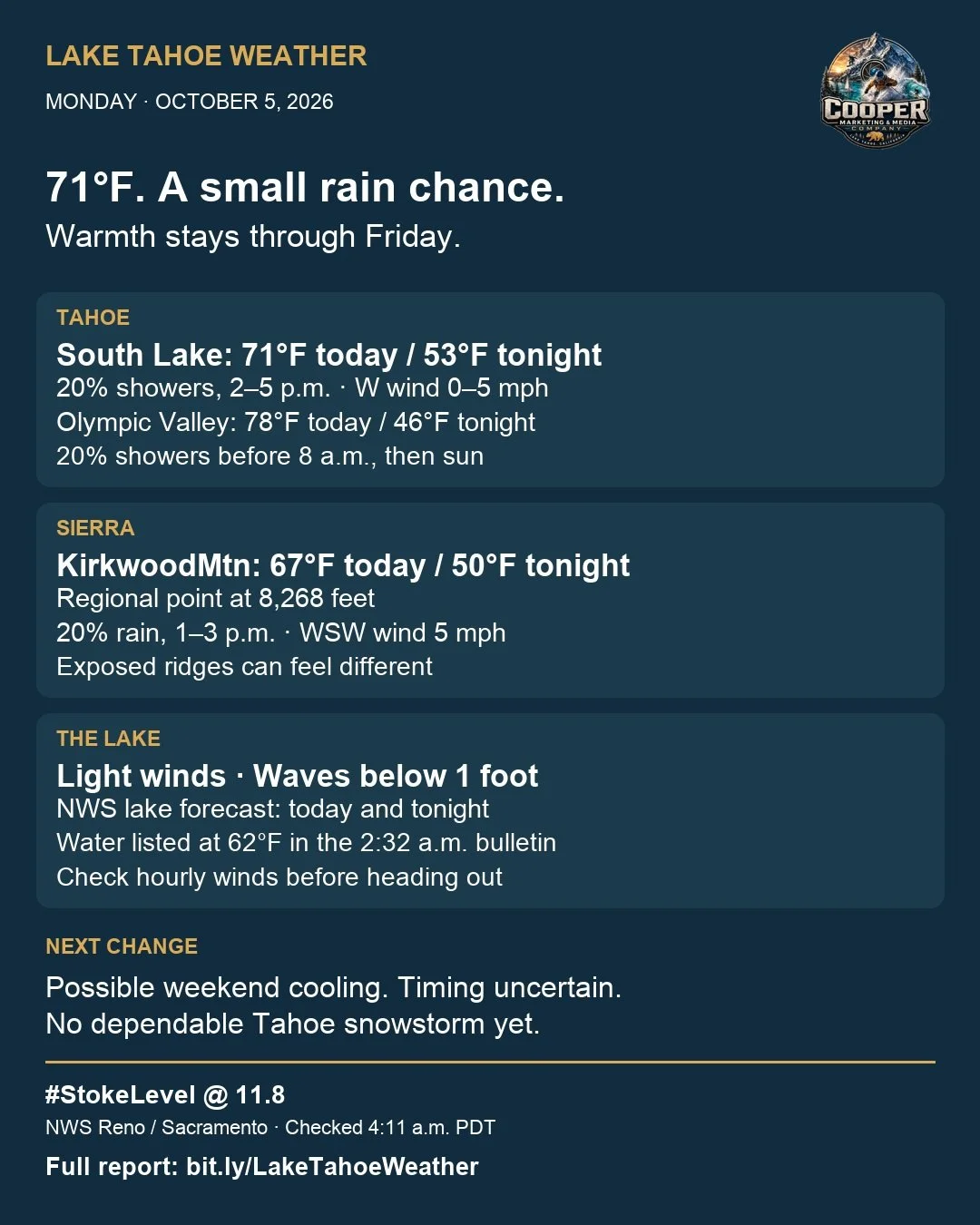
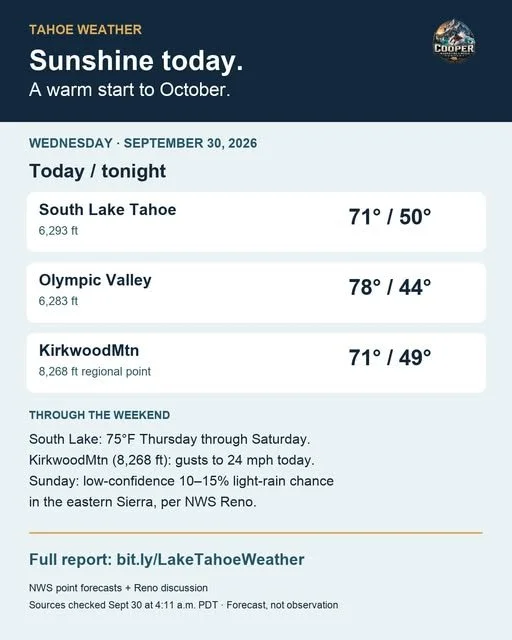
And I loved it. I want to be honest about that too. I used it for stoke. Powder days and first descents. Bluebird mornings from the top of a lift with the whole basin laid out under me. A clean wave. Sunset off the stern with the sail full and nobody talking. Snow reports, weather reports, a dog in the back of a truck, friends I had not seen since a season twenty years back turning up in the comments to argue about a run we did together. That was the deal I thought I was making. My photographs for their platform, and all of us get to pass the good stuff around.
Open it now.
I scroll, and I can barely find my friends. What I find is a wall of political advertising bought by outfits I have never heard of, and post after post engineered to make me furious at somebody I have never met. Division, dressed up as news, sold by the hour. Not because anybody at Meta hates you. Because rage holds attention longer than a powder day does, and attention is the product. That is the entire explanation, and it is worse than malice would be.
The stoke is still in there somewhere. It is just buried under four ads and a fight.
Pathetic is the word I keep landing on. Not evil. Pathetic. We built the greatest connection machine in human history and rented it out to whoever would pay the most to keep us angry.
SO HERE IS WHAT I AM ACTUALLY DOING
Not theory. This week.
I do not click the bait. Not to argue with it, not to dunk on it, not even to see how bad it is. The click is the vote. Outrage and agreement pay exactly the same.
I do not repost the division. Not even to say how awful it is. Quoting it to condemn it still hands it the reach it was built to get. That is the whole trick.
I report the spam. Every time. Four seconds.
I unfollow the diatribe. Not the person. The firehose. You can love somebody and still decline to read their fourteenth political repost of the day, and most of the time they will never know.
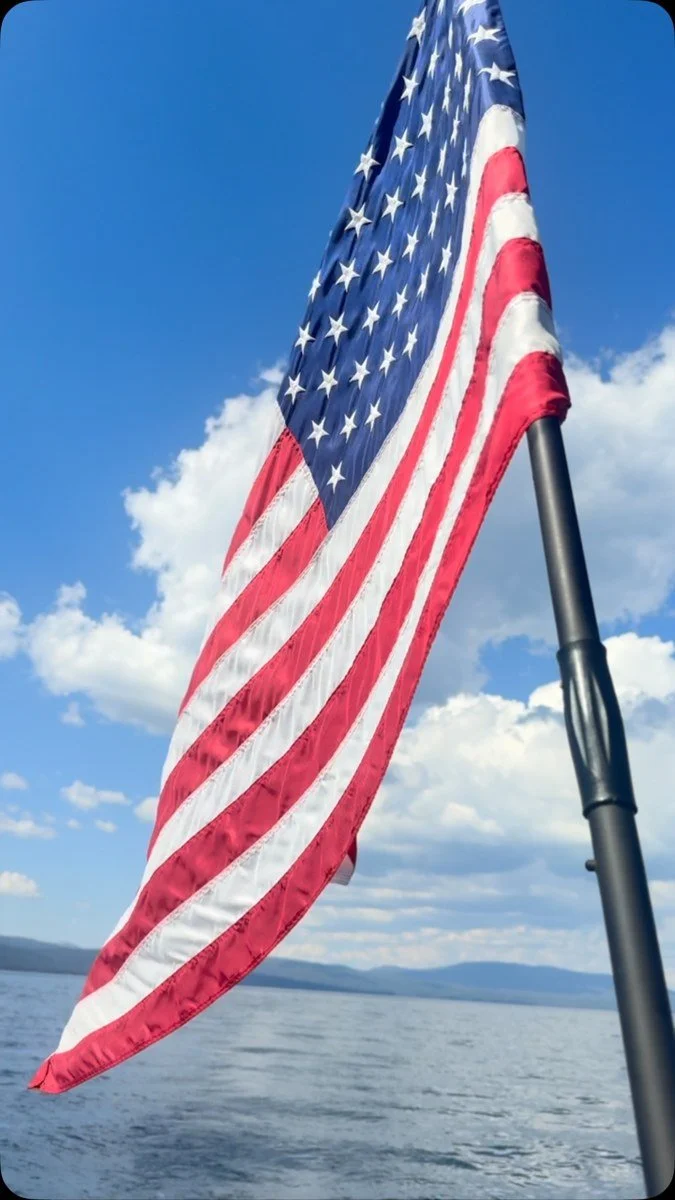
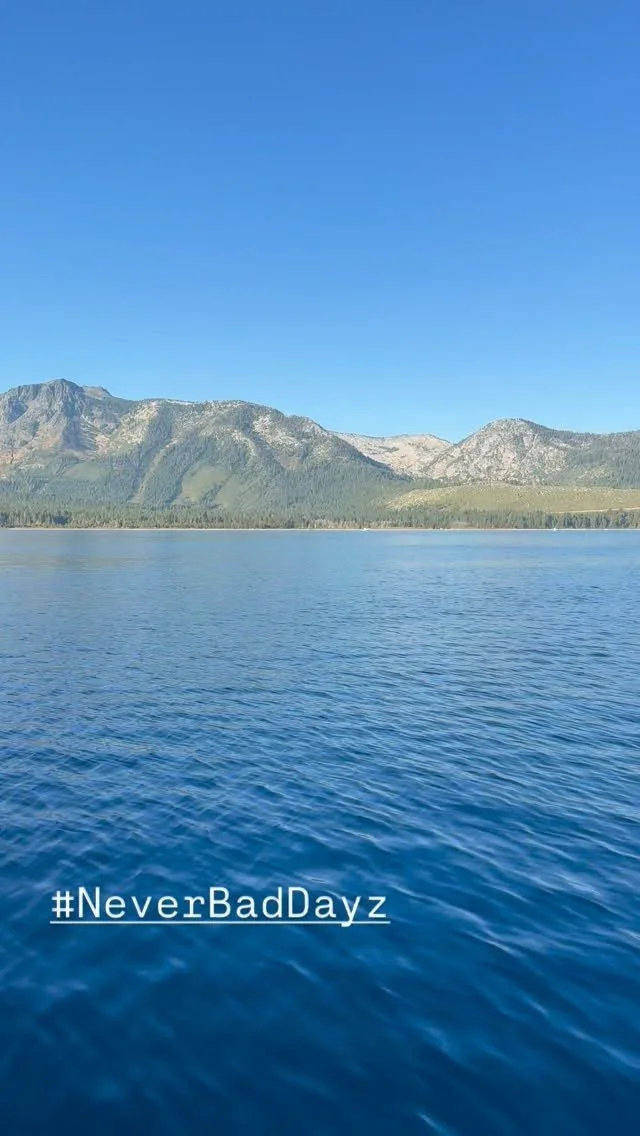
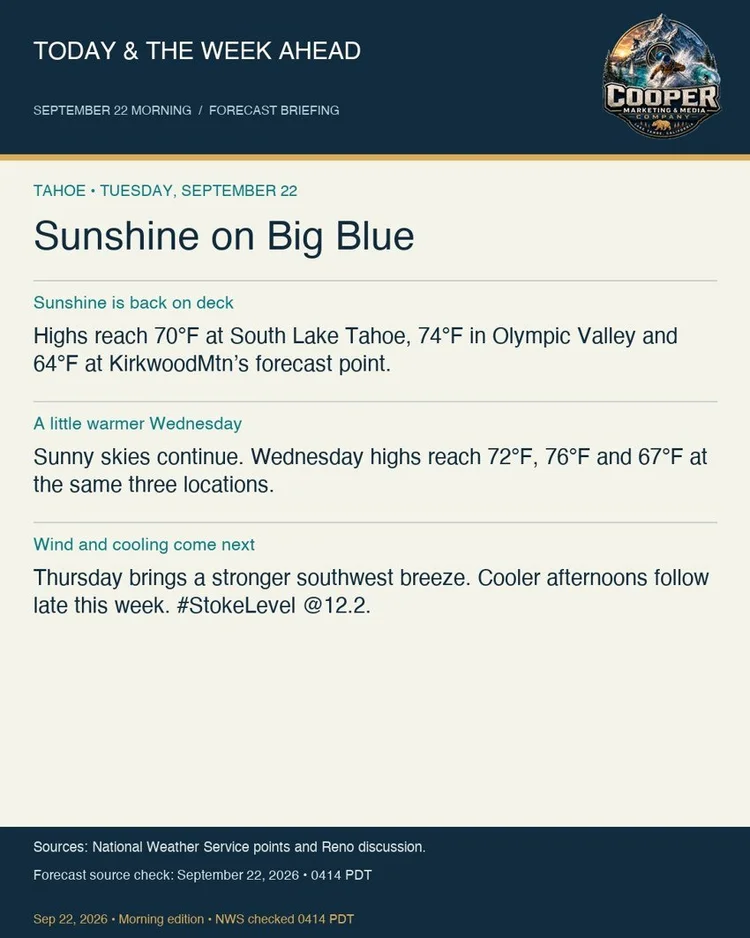
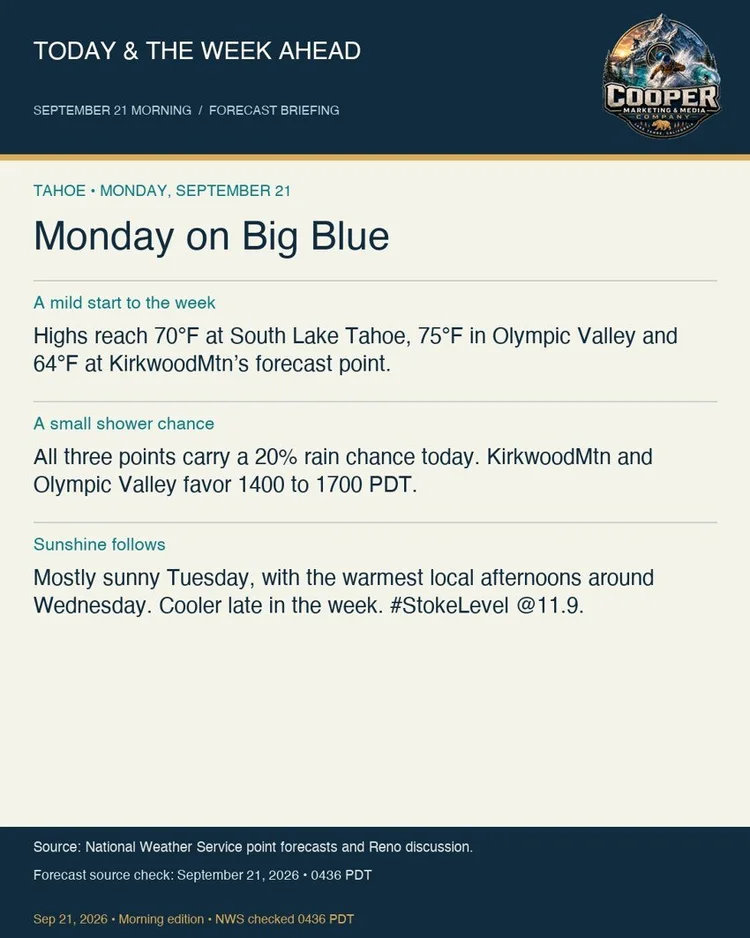
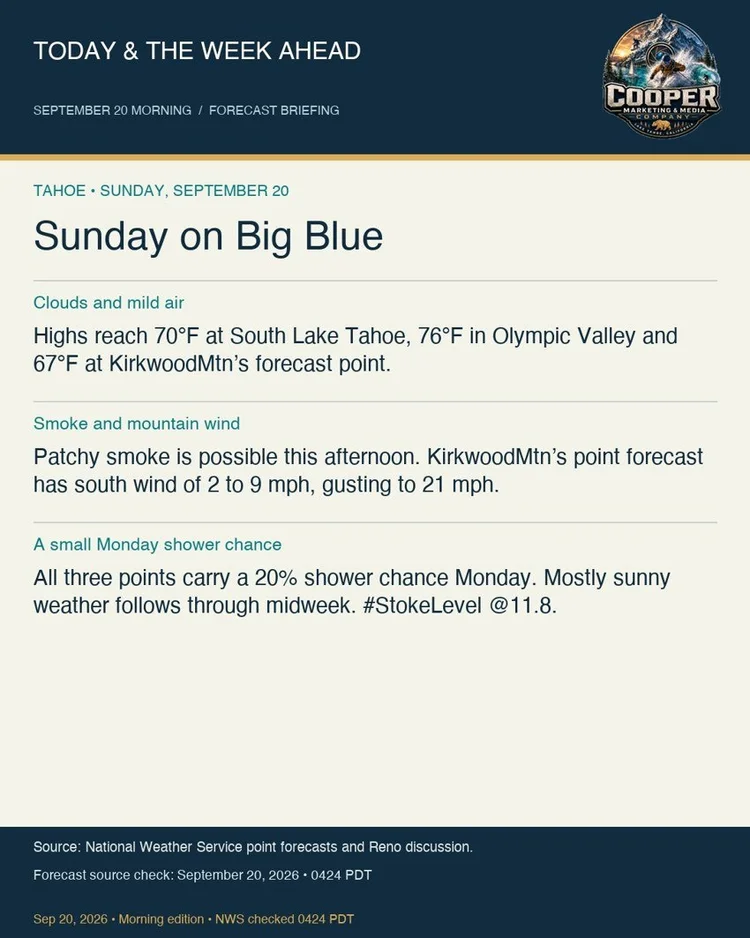
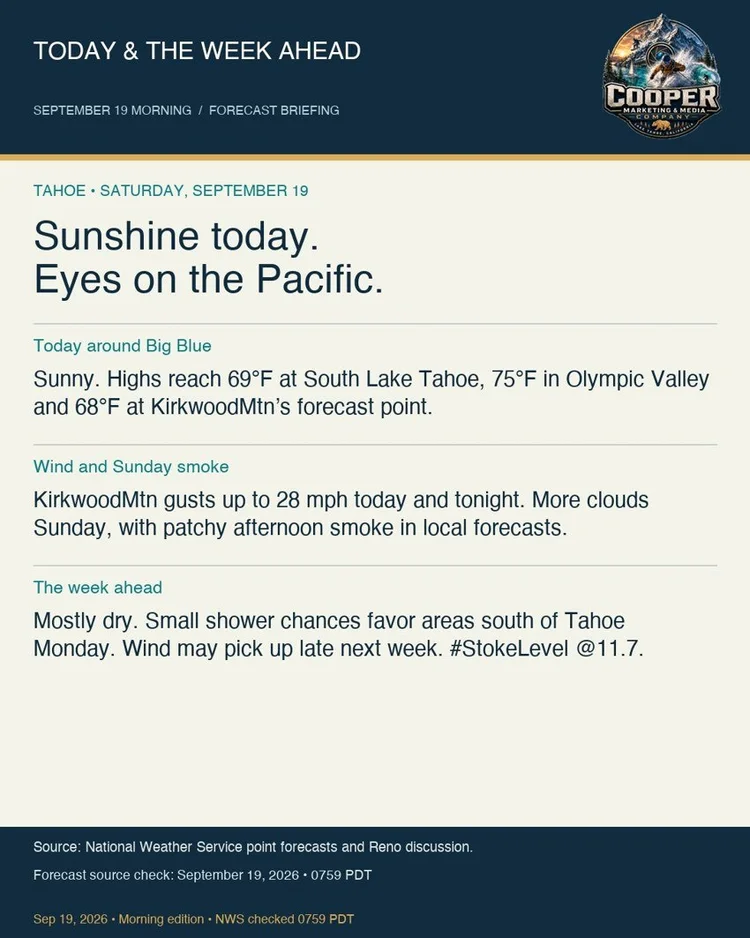
I still post the stoke. The weather, the snow, the first descent, the sunset off the water. I am not leaving the room, and I am not going quiet. I intend to keep being kind in a place engineered to make that difficult, because refusing to be turned mean is its own small act of sabotage.
And Zuck. You bought fifty-nine million dollars of shoreline on my lake, and you are welcome to the view. The mountains do not care whose name is on the deed. But that water, and the people who live around it, were doing fine before your algorithm, and they will be doing fine after it.
I do not want your billions. I stopped wanting your platform a while back.
I just want my afternoon.
THE CHOICE
Strip all of it back. Here is what happened, without the courtroom and without me yelling.
We were handed a machine built to connect people. It worked. For a few years it was genuinely wonderful, and I will not let anybody tell me otherwise, because I was there and so were you. Then the machine had to earn, the way every company has to earn, and the fastest money was in attention, and the fastest attention turned out to be anger. Nobody had to be evil for that to happen. The money pointed one direction, and every one of us walked that way, the company and the customer both.
They needed to make money. They are making money. That part is not a crime. Whatever those eight people in Oakland decide, the crime was never the profit. It was what they learned in their own research and then did not say out loud.
And now look where we are standing. Artificial intelligence is going to eat the next ten years, and it is being built by the same handful of companies, funded the same way, measured the same way. Amazon knows what is in your house and what day it showed up. Your car phones home. Your doorbell is a witness. Your television watches you back.
So the choice in front of you is bigger than one app, and it is genuinely yours. We have the power to turn the noise down. We have the ability to take our lives back offline. Not all of it and not forever. Enough.
And do not sit there waiting on Washington, because I have already watched that movie.
The Kids Online Safety Act was introduced in 2022. In July of 2024, the Senate passed it ninety-one to three, which in this era is about the level of agreement you can get on whether water is wet. Then it died in the House. This June the House passed its own version, two hundred sixty-seven to one hundred seventeen, and cut out the duty of care, which is the one provision that would have touched design. Infinite scroll. Autoplay. The exact features Béjar just told a federal jury are inherently unsafe for teenagers. Now the Senate will not take the House bill because somebody tangled it up with preempting state law on artificial intelligence.
Four years. Two chambers. Landslide votes in both. Nothing on any president's desk. And the single provision that would have mattered got surgically removed on the way through.
That is not lawmaking. That is a performance with a budget.
So no. We do not need another worthless law. We need one line, and I will give it to you in a minute. And whether or not that line ever arrives, we need to quit waiting on it.
AND WHILE I AM UP
Do not get me started on the elected ones.
There is a whole series coming on that, so I will hold it to this. I think we should strip every one of them of the benefits package they voted for themselves, and I think eight years of hearings that produced a bill with its spine cut out is most of my argument already. That is my opinion, plainly labeled, and when I come back to make the case I will bring receipts, because that is the arrangement I have with you and I am not going to run the same play they run.
Let that sit a second.
Then let it go, because they are not coming to save your Saturday either.
THE POINT
Airbags used to be a luxury option. Carmakers said mandating them was unworkable, expensive, and none of Washington's business. Congress disagreed. By model year 1998, every new car sold in this country had them in the wheel and the dash, switched on, no toggle, no menu, working whether you ever thought about them or not.
Nobody calls that tyranny. Nobody misses the old way. It is simply how cars are now, and a great many people walking around today would not be.
That is the entire ask, and it is the one line I promised you. On by default. Not a thousand pages tangled up with preemption and lobbying and somebody's AI carve-out. One line, the length of a bumper sticker, and Béjar said it to eight people in Oakland this week in eleven words: a safety tool has to be on by default.
That is not a radical thing to want. It is a seat belt law with a different noun.
But the airbag was never the whole answer, and this is the part I want you to carry out of here.
You still buckle the belt.
The belt takes two seconds. Nobody can do it for you, no judge can order it, and it has saved more lives than every airbag ever built. The airbag is their job, and we should make them build it. The belt is yours, and it always was. Anybody telling you it is only one of those two is selling you something.
So while the lawyers spend five more weeks on it, the machine is running on your afternoon and mine, and none of us gets that afternoon back.
Put it down. Turn the cath’o’ray nipple off at the wall. Then tonight, take the other one out of your kid's bedroom and leave it in the kitchen, and take the incoming fire about it, because you will.
Saturday, take those same kids on a hike. Not for the photograph. Leave the phone in the truck and go find out what they actually think about, which you will not learn in ninety seconds and cannot learn through a lens.
Then go find the thing the ninety seconds was a photograph of.
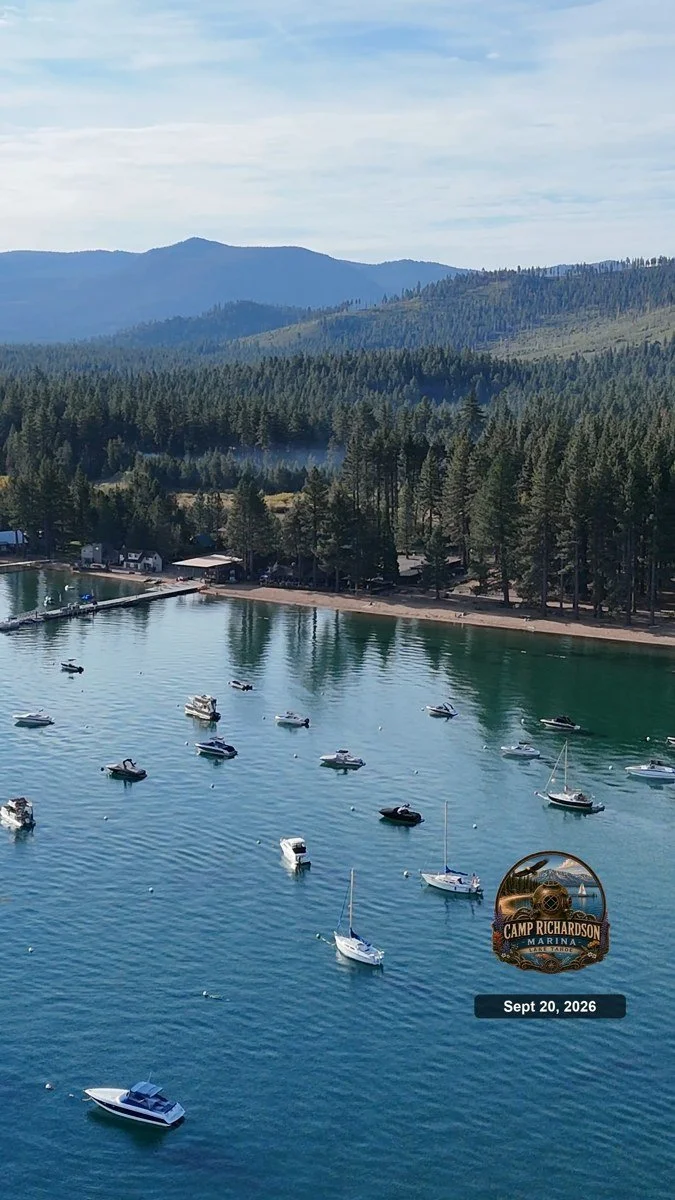
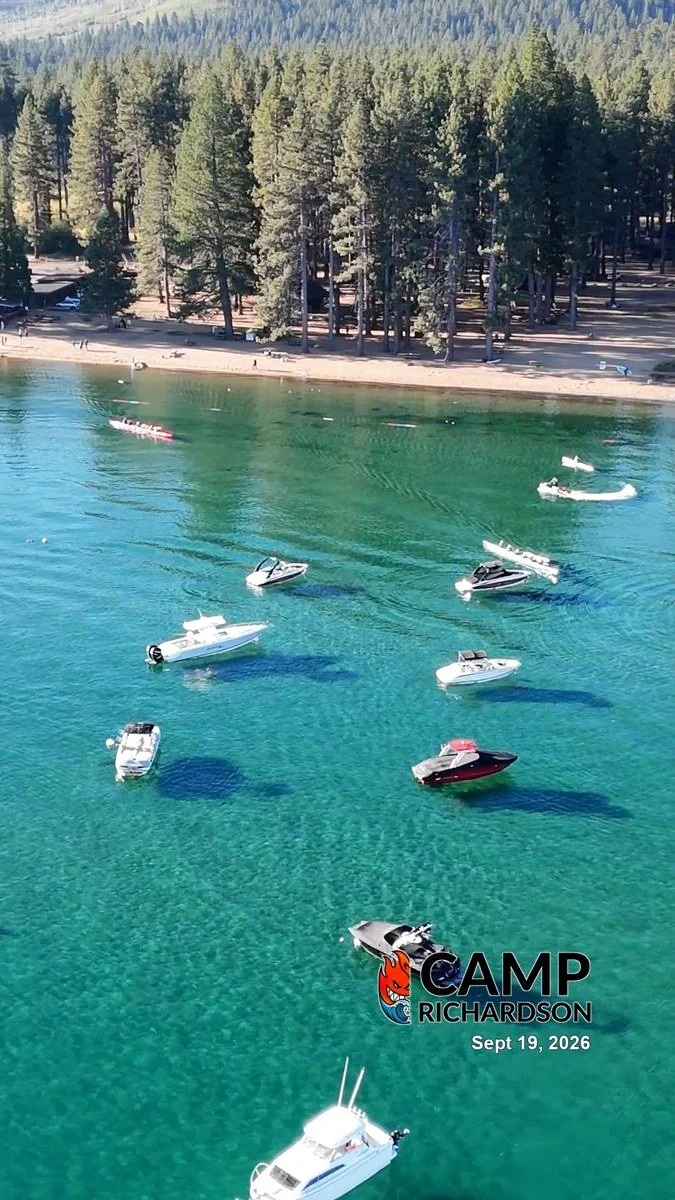
Get outside. Get on a peak with a friend and hoist a frostie. Get under a sail and let the water do the talking. Sit in a coffee haus with no screen on the table. Get out in the break and wait for the set. Walk the farm. Sit in your own backyard with the app off and the notifications dead and listen to another human being tell you about their day. The adventure they had. That first descent. An afternoon in the meadow. What the leaves are doing. What the weather is going to do tomorrow.
That is the whole thing. Everything on that screen is a low-resolution copy of it.
An airbag you have to switch on yourself is not an airbag.
And your attention, which you now have on the record from a man under oath, is the entire product, is still the only thing you own that all of them actually want.
They did not take it.
We handed it over. And we can stop.