The Price of Powder: Honoring Tahoe’s Lost and the True Cost of Passion

It has been an incredibly heavy and heartbreaking week here in Lake Tahoe. Our tight-knit community has been shaken to its core as we process the staggering tragedies that occurred on-snow and in-snow. The reports over the past several days detail an overwhelming loss: nine individuals in an avalanche near Castle Peak, two at Northstar, and two at Heavenly.

As I sit at my keyboard to type these very words, the reality has hit even closer to home. Devastating news just broke that we lost a good friend, Brian, out on the mountain. My heart is heavy, and the weight of this week is compounding in real-time.

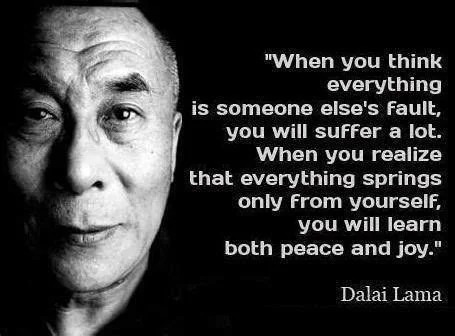
As we navigate this immense collective sorrow, I am reminded of the teachings of His Holiness the Dalai Lama, who speaks profoundly of the preciousness of all sentient beings, our shared journey through impermanence, and the deep need for boundless compassion. With that wisdom in our hearts, we must ensure we are deeply mindful of the 13 souls whose earthly journeys ended over the past week, now joined by Brian (RIP, my friend). We must keep to the high road when speaking of these losses. These were our friends, our neighbors, and our fellow riders pursuing their passion in the mountains we all call home. They deserve nothing but our utmost respect, grace, and remembrance.

The point of this article is to level-set a hard truth: the sports of skiing and snowboarding are inherently dangerous. Period. They never have been completely safe, and they never will be. We are out in the wild, strapped to gear, and exposed to unpredictable elements. Nobody has ever claimed that sliding down an alpine peak is as safe as walking down the street - - - no one.

Over the years, I’ve had the privilege of sharing time with some amazing mountain folk. In those quiet, pristine moments looking out over the peaks from a snowy tailgate or a storm-battered chairlift, the lore of life’s end on the mountain inevitably comes up. You'll often hear it spoken by lifers with a quiet, rugged reverence: "That’s exactly where I want to go." And the stark reality is, it happens, and it happens more often than society likes to admit. For those whose spirits are inextricably tied to the snow, passing in the embrace of the mountains they revere isn't a careless tragedy; it is a final, natural communion with the elements they loved most.

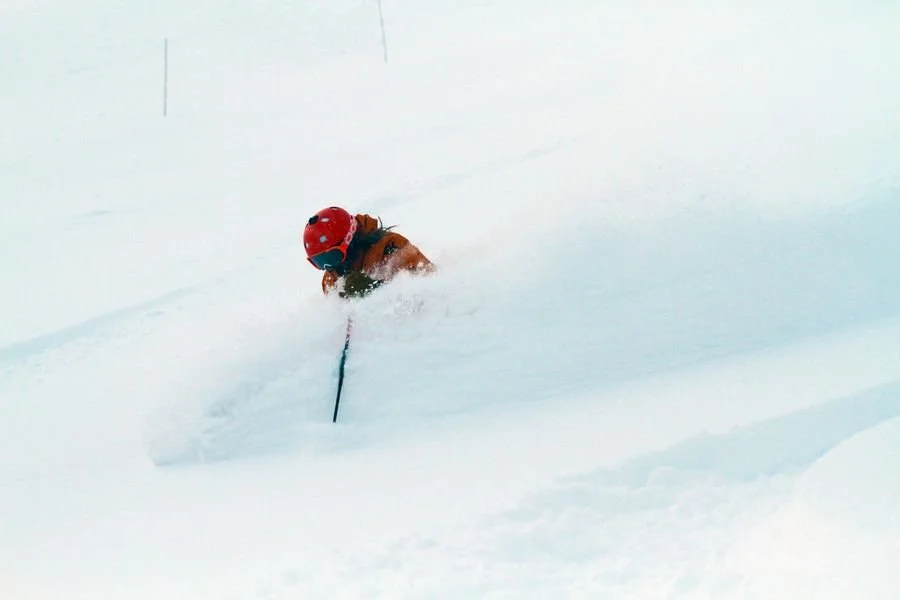
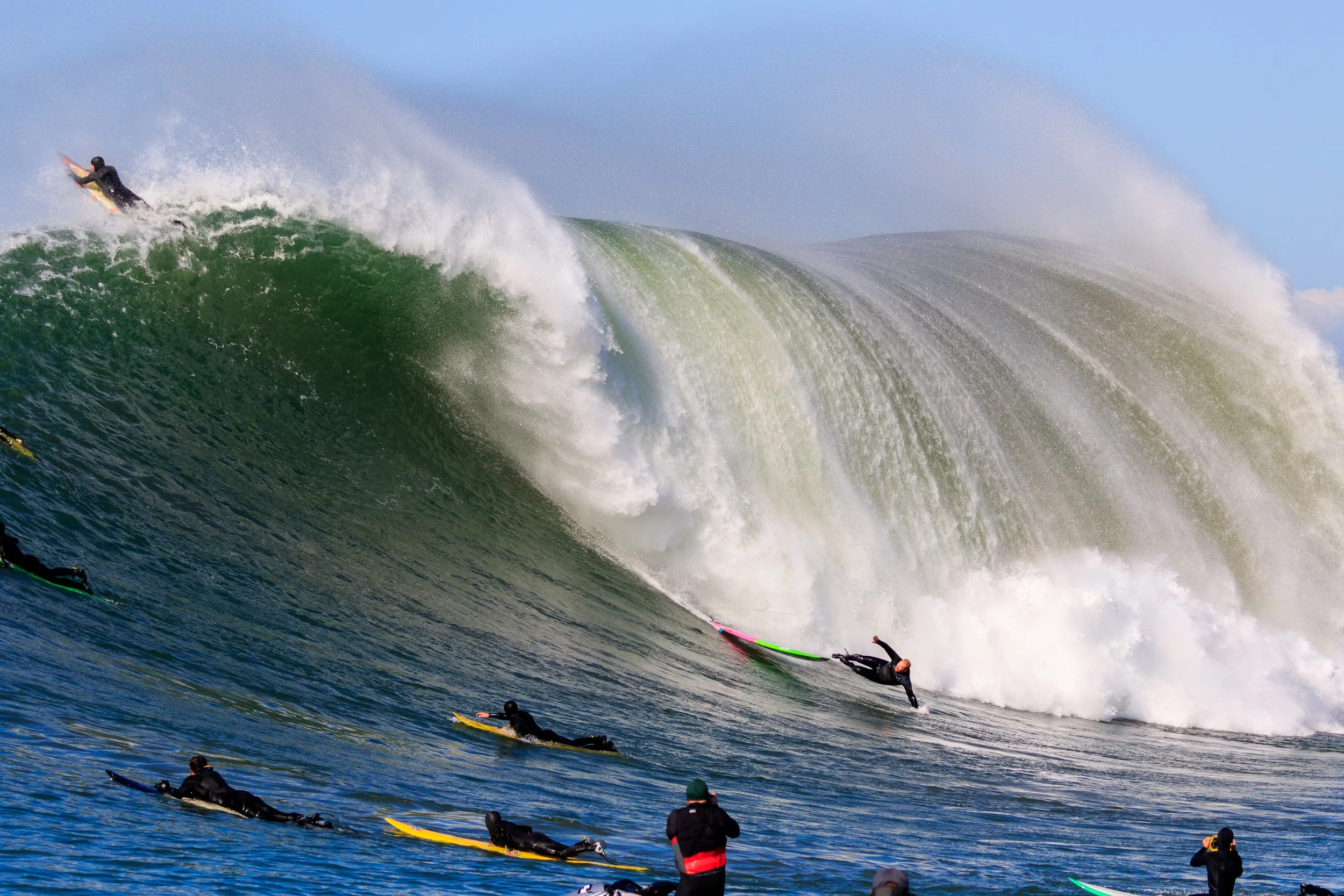
To truly understand this, we have to look at the arenas we play in. There is a profound parallel between the frozen peaks and the crashing oceans. When we compare big wave surfing in the exact same light as deep powder riding and big mountain freeskiing, the risk-versus-reward calculus is identical.

When watermen and women paddle out into a massive, towering swell at Mavericks or Jaws, they willingly surrender to King Neptune’s world, a realm defined by crushing might, immense weight, and unpredictable power. Similarly, when we step onto a steep, untracked alpine spine, we are stepping into the raw domain of Mother Nature. We subject ourselves to her fury, her immeasurable power, and her ancient wisdom. Both King Neptune and Mother Nature demand ultimate, unwavering respect; they are entirely indifferent to our human egos, and they do not negotiate. A collapsing wall of heavy ocean water carries the exact same unforgiving consequence as a cascading avalanche.

Yet, to understand the true statistical reality of these environments, it helps to zoom out and look at the broader picture of risk in our daily routines. Let's compare the statistical risks of extreme sports and natural phenomena against the mundane actions of everyday society:

The Research: A Side-by-Side Comparison

  • U.S. Pedestrians: Look at an everyday activity millions do without a second thought. According to the National Highway Traffic Safety Administration (NHTSA), there were 7,314 pedestrians killed crossing the street or walking near roadways in the U.S. in 2023.

  • U.S. Bicyclists: Commuting or riding a bike down the street resulted in 1,105 bicyclist deaths recently, according to the NHTSA.

  • U.S. Lightning Strikes: To put nature's randomness into perspective, the National Weather Service (NWS) 10-year average shows that 28 people are killed by lightning strikes in the U.S. annually.

  • U.S. Snow Sports: According to the National Ski Areas Association (NSAA), the 10-year industry average for fatal incidents at U.S. ski areas is approximately 42 per year.

  • U.S. Surfing: Despite the visual extremes of the sport and the sheer power of the ocean, surfing deaths are statistically incredibly rare, estimated at roughly 10 per year nationwide.

The Delta: When we formulate a side-by-side comparison, the difference between the accepted risks of daily transit and the scrutinized risks of the elements is staggering:

  • Everyday Commuting (Walking & Cycling): 8,419 lives lost per year
  • Extreme Board Sports (Snow & Surf): roughly 52 lives lost per year combined

  • The Delta: A massive difference of 8,367 people.

Mathematically speaking, you are vastly more likely to lose your life simply walking across an intersection or riding a bicycle in an American town than you are dropping into a massive wave or a deep powder bowl. In fact, you are statistically more likely to be struck by a random bolt of lightning from the sky than you are to pass away paddling out into the surf.

Does this statistic minimize the danger of the mountain or the ocean? Absolutely not. Every single loss is a profound tragedy.

My point is that we live in the Sierra, we are out in the elements daily, and we share the bond of adventure enthusiasts, and with that comes risk. We subconsciously accept the massive statistical dangers of modern traffic every single day, yet the risks of the mountains and oceans are heavily scrutinized simply because we actively choose to step into the untamed wilderness.

A Hypothesis on Risk vs. Reward: This brings me to my hypothesis on risk versus reward and what that actually means. As the Dalai Lama once noted, great love and great achievements involve great risk. The "reward" isn’t merely the fleeting adrenaline rush of surviving a monster wave or slashing deep, untracked powder. It is the profound spiritual nourishment that comes from disconnecting from the sterilized safety of modern society and engaging viscerally with the natural world. It is the clarity of mind, the humbling realization of our own smallness, and the fierce camaraderie shared with those who also hear the call.

The "risk" is the uncompromising reality that nature is indifferent to us. The risk is the absolute toll the elements can exact at any given second. We accept this risk and mitigate it through education, beacons, probes, jet skis, inflatable vests, and trusted partners, because the reward of a life fully and passionately lived is worth more to us than a timeline spent hiding from the unknown. To experience the ultimate reward of Mother Nature's wisdom or King Neptune's might, one must accept the inherent risk.

As we look up at the peaks this week, let us honor the 13 individuals we lost and remember the grace of the mountains they loved so deeply.

Note to self: If you don’t want to take a chance, don’t do it. Make wise decisions, but never judge what others have done or sacrificed to be, and to do, what they love.

Previous
Previous

"We Voted for This: The Rational Cost of an Irrational Choice"

Next
Next

Fire in the Belly: KSEF U10s Attack the Gates at Palisades